A+ Healthcare / Journal
Understanding Fake Money and the Market for Cloned Credit Cards for Sale
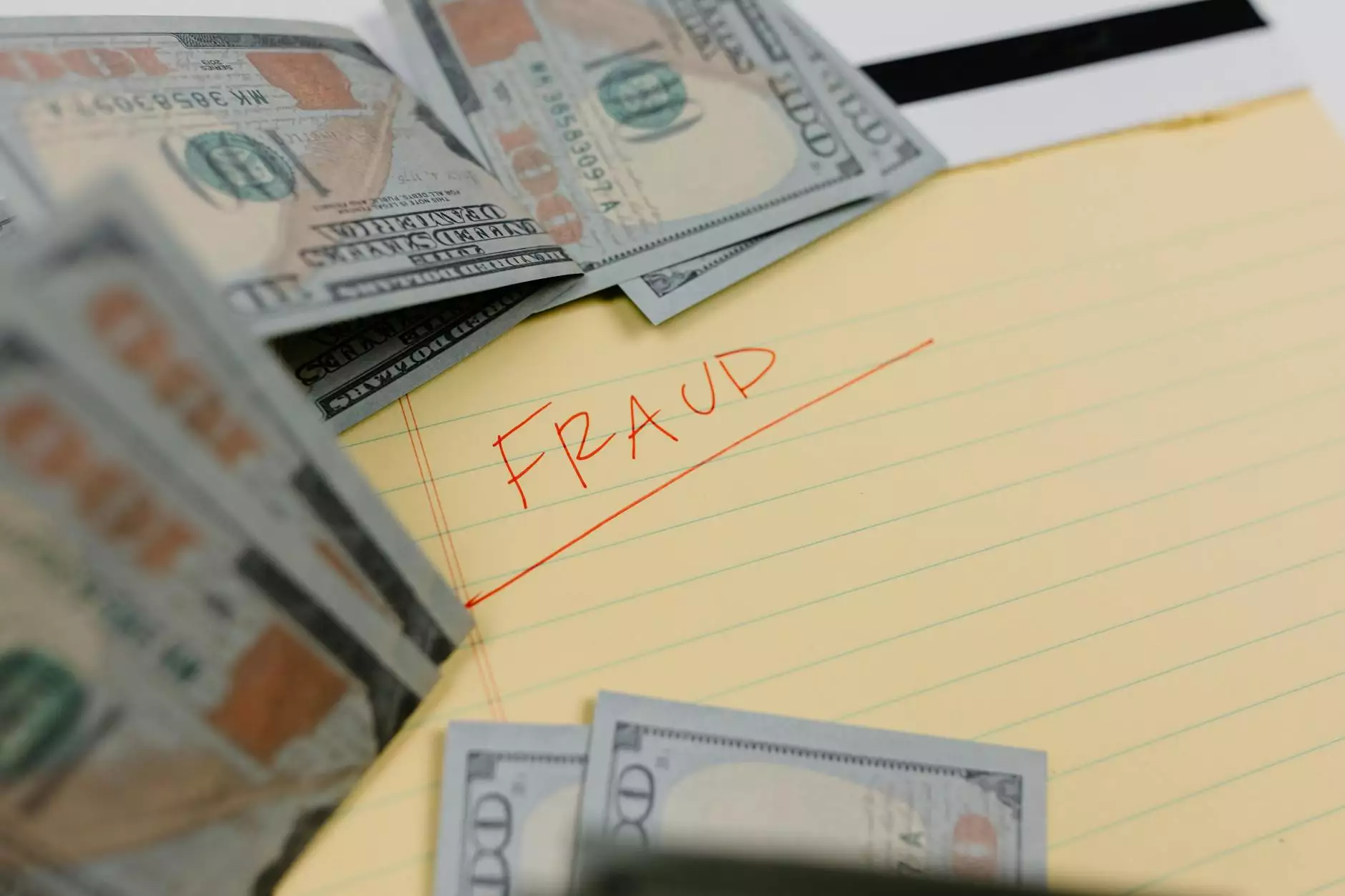
In the vast landscape of global finance and commerce, there exists an underbelly that operates largely unseen—one filled with counterfeit currency, fake money, and illicit credit card cloning. These illicit activities, although illegal and dangerous, have persisted for decades due to the high profits and relatively low risks involved for those involved in their production and distribution. This comprehensive guide aims to shed light on this clandestine industry, focusing especially on the existence and procurement of cloned credit cards for sale, within the broader context of fake money and counterfeit financial instruments.
The Ecosystem of Fake Money and Counterfeit Currency
Fake money, commonly referred to as counterfeit currency, is any imitation of real banknotes or coins designed to deceive and pass as authentic. The production of such currency has evolved over centuries, from rudimentary paper copies to sophisticated digital and printing techniques that mimic official currency with alarming accuracy. Understanding the structure and mechanics of fake money is essential for recognizing its impact on economies and security systems.
The Types of Counterfeit Currency
- High-Quality Counterfeit Notes: These are often produced with professional-grade printing, watermarks, holograms, and security features that closely resemble genuine currency.
- Low-Quality Fakes: Simple photocopies or poorly printed copies that are easy to identify and usually caught during routine transactions.
- Digital Counterfeits: Fake digital currencies, including cryptocurrencies or digital tokens, reflecting the modern evolution of counterfeit money.
The Risks and Consequences of Using Fake Money
Engaging with counterfeit currency involves significant legal and financial risks. Law enforcement agencies worldwide are equipped with advanced detection tools to identify fake money, and the penalties for circulation or possession can include hefty fines and imprisonment. Aside from legal repercussions, fake money can undermine trust in financial institutions and destabilize local economies.
The Underground Market of Cloned Credit Cards
One of the most concerning facets of this illicit industry is the market for cloned credit cards for sale. Cloning credit cards involves copying the data stored on the magnetic stripe or chip of a genuine credit card, creating a duplicate that can be used fraudulently. This illegal activity feeds a shadow economy where stolen financial data is bought, sold, and exploited for financial gain.
How Cloned Credit Cards Are Made
The process of creating cloned credit cards typically involves several steps, often executed by seasoned cybercriminals:
- Data Harvesting: Criminals acquire card data through phishing attacks, malware, data breaches, or skimming devices attached to ATMs and point-of-sale terminals.
- Encoding: The stolen card data is encoded onto blank or stolen-card shells using specialized devices known as skimmers or card encoders.
- Distribution and Sale: These cloned cards are then sold on underground forums, marketplaces, or encrypted channels, targeted at fraudsters and illicit buyers.
Why Cloned Credit Cards for Sale Are Popular in the Underground Economy
The market for cloned credit cards for sale thrives due to several factors:
- High Profit Margins: Minimal costs for criminals compared to the potential earnings from fraudulent transactions.
- Ease of Access: With enough technical skill, obtaining or generating cloned cards has become relatively straightforward, especially through illegal markets.
- Global Reach: The internet allows for instant distribution across borders, expanding the scope and scale of illegal activities.
- Anonymity and Encryption: Secure, encrypted channels help criminals evade law enforcement detection and prosecution.
Legal and Security Implications of Engaging in Illicit Markets
The trade in fake money and cloned credit cards is not only unethical but also profoundly illegal. These activities contribute to a larger ecosystem of financial crimes, including identity theft, money laundering, and organized crime. Law enforcement agencies worldwide continuously work to dismantle these markets through hacking investigations, international cooperation, and technological advancements.
How Law Enforcement Combats Fake Money and Credit Card Cloning
To combat these crimes, authorities employ a combination of:
- Advanced Surveillance: Monitoring online secret markets and encrypted communication channels.
- Financial Tracing: Tracking suspicious transactions and flow of funds linked to illicit activities.
- International Collaboration: Sharing intelligence across borders to dismantle criminal networks.
- Public Awareness: Educating consumers and merchants about the risks and signs of counterfeit money and credit card fraud.
Protecting Yourself from Fake Money and Cloned Credit Cards
While the underground market continues to evolve, consumers and businesses can take proactive steps to safeguard themselves:
- Use Modern Digital Security Measures: EMV chip cards, two-factor authentication, and secure online banking protocols.
- Inspect Currency: Look for watermarks, holograms, and other security features on cash notes.
- Monitor Transactions: Regularly check bank and credit card statements for unauthorized charges.
- Be Cautious of Phishing Attempts: Avoid clicking on suspicious links or sharing sensitive financial information.
- Utilize Fraud Detection Tools: Many financial institutions offer real-time alerts and tracking for suspicious activities.
The Future of Fake Money and Financial Cybercrime
As technology advances, so do the methods employed by criminals. The rise of quantum computing, AI-driven phishing, and sophisticated skimming devices pose new challenges for security professionals. Conversely, financial institutions are developing more robust security features, such as biometric authentication, blockchain-based verification, and AI-powered fraud detection systems to stay ahead of cybercriminals.
The ongoing cat-and-mouse game underscores the necessity for continuous innovation, awareness, and proactive defense strategies. Though illegal markets for cloned credit cards for sale and counterfeit currency persist, ongoing investigations, technological improvements, and global cooperation aim to curtail their reach and impact.
Final Thoughts: Navigating Ethical and Legal Boundaries
It is essential to recognize that participating in or facilitating the sale of fake money and cloned credit cards is a serious offense. Engaging with such markets not only jeopardizes personal freedom but also undermines the stability of legitimate financial systems. Staying informed, vigilant, and compliant with the law remains the best defense against falling victim to these complex schemes.
Businesses, consumers, and financial institutions must foster a culture of security, integrity, and legal adherence. Only then can we hope to diminish the influence of these clandestine markets and promote a more transparent, trustworthy global economy.


